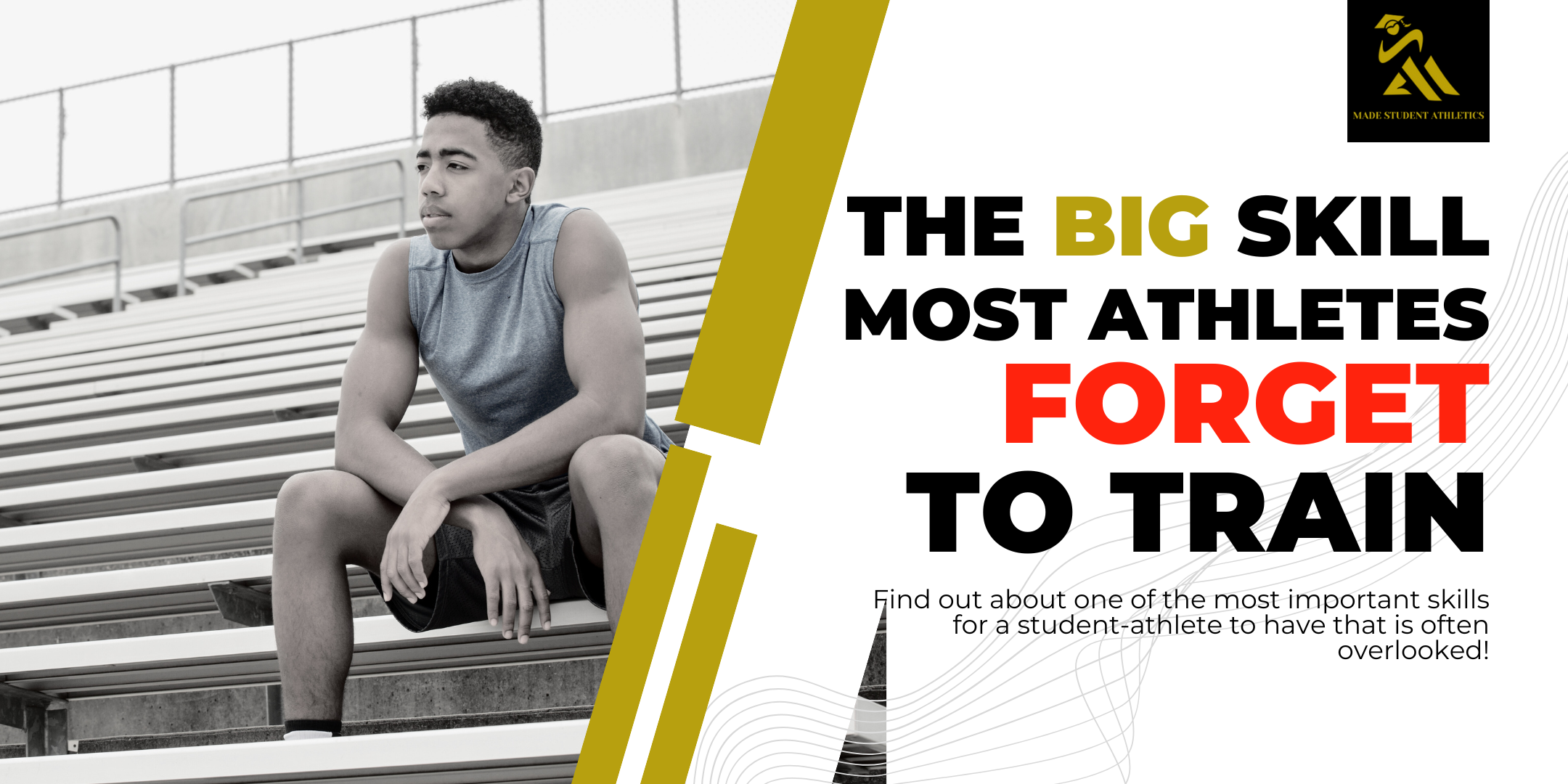
When you think about what makes a student-athlete successful what comes to mind? Is it speed, strength, coordination or agility? Oftentimes physical attributes like these come to mind first as the key indicators of a student-athlete’s success. However, many of the greatest athletes of all time have cited their mental ability as being the biggest difference maker in their careers. For example, NBA Hall of Famer Bill Russell once said “Concentration and mental toughness are the margins of victory.” Legendary soccer player Mia Hamm put it this way, “The most important attribute a player must have is mental toughness.” Multi-championship tennis player Arthur Ashe is quoted for saying “The ideal attitude is to be physically loose and mentally tight.” With all that being said, the question becomes “how does a student-athlete train their mind and build mental toughness?” Though there are more ways than one, one of the best ways to train the mind falls outside the typical realm of athletics; reading.
Reading is one of the best ways for a student-athlete to train their mind. Not only does reading benefit student-athletes in the form of knowledge gained, but the act of reading can be similar to the act of working out, in which the mind muscle is made stronger as a result. Moreover, reading ability is one of the most important predictors of a student-athletes long-term success—both in sports and in life.
Research has shown that reading proficiency in childhood is a powerful predictor of adult outcomes—including employment stability, income level, and career advancement. Beyond academics and income, reading plays a significant role in overall life satisfaction and mental health. A study published in Social Science & Medicine found that higher literacy levels are associated with: Lower stress and anxiety, Stronger problem-solving and coping skills, Higher levels of civic engagement and social connection (Borgonovi & Pokropek, 2019) Additionally, reading—especially narrative and reflective reading—has been shown to strengthen empathy, self-awareness, and emotional regulation (Mar et al., 2006). These qualities are essential not only for team dynamics and coach-athlete relationships, but also for long-term personal fulfillment and resilience. Reading should be a regular practice for student-athletes.
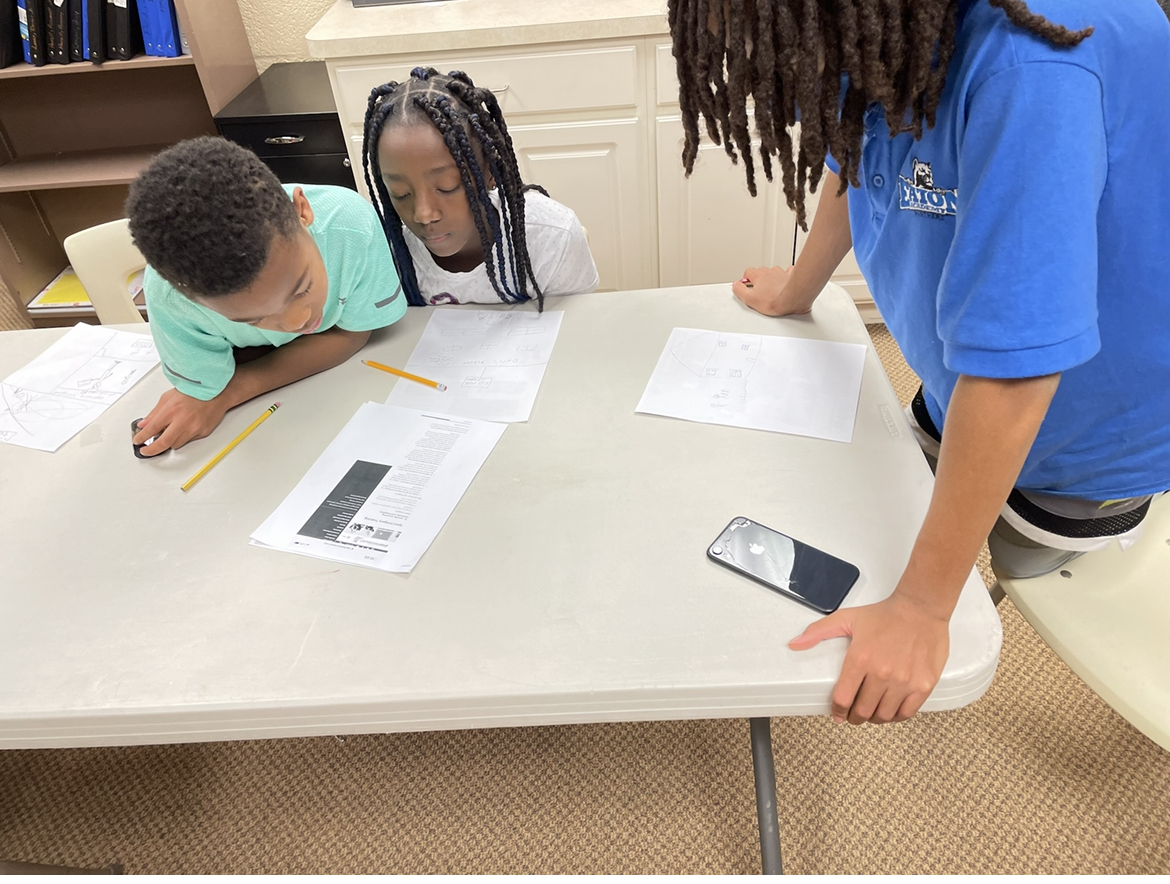
Research consistently shows that most long-term reading difficulties don’t begin in high school or even middle school—they stem from underdevelopment at the foundational level, often in early elementary years (National Reading Panel, 2000). When young learners miss critical milestones in phonics, fluency, and comprehension, those gaps compound over time. By the time academic demands increase, students are no longer “learning to read”—they’re expected to read in order to learn. For students who never developed strong reading skills early on, this shift can be overwhelming. For student-athletes, the stakes are even higher because reading development not only impacts classroom success, but sports eligibility, the recruitment process, and life decisions. Strong reading skills help young athletes:
- Stay engaged and confident during classroom instruction
- Better understand directions, rules, and expectations
- Develop focus, patience, and cognitive endurance (Major Key!)
- Build curiosity and intrinsic motivation to learn
- Strengthen communication and self-advocacy skills
Studies have shown that literacy skills are closely linked to executive functioning, attention control, and academic persistence—all traits that translate directly to athletic performance (Diamond, 2013). When a child feels successful academically, they are far more likely to remain engaged, rather than mentally checking out or relying solely on athletics as their identity.
Characteristics of Underdevelopment
On the flip side, a lack of early reading development can quietly—but powerfully—limit a student-athlete’s potential. Research by Hernandez (2011) found that students who are not proficient readers by third grade are four times more likely to drop out of high school. For student-athletes, this often shows up as:
- Chronic academic frustration
- Behavior issues rooted in disengagement (very common today)
- Loss of eligibility or limited college opportunities
- Increased stress and diminished confidence
- Overreliance on athletic performance as a sole pathway forward (major no-no!)
Even highly talented athletes are not immune. NCAA data consistently shows that academic preparedness—particularly reading comprehension—plays a major role in eligibility, retention, and graduation rates for student-athletes (NCAA Research, 2019). In other words, athletic ability alone is not enough for long-term student-athletic success.
A Simple, but Powerful Solution: Start Early and Be Intentional
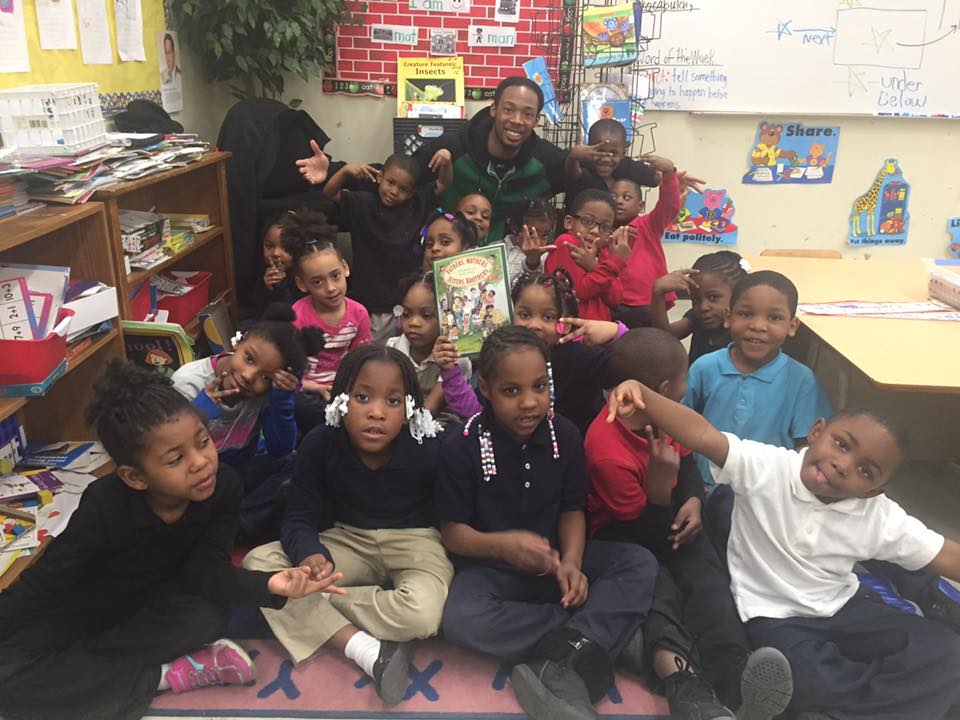
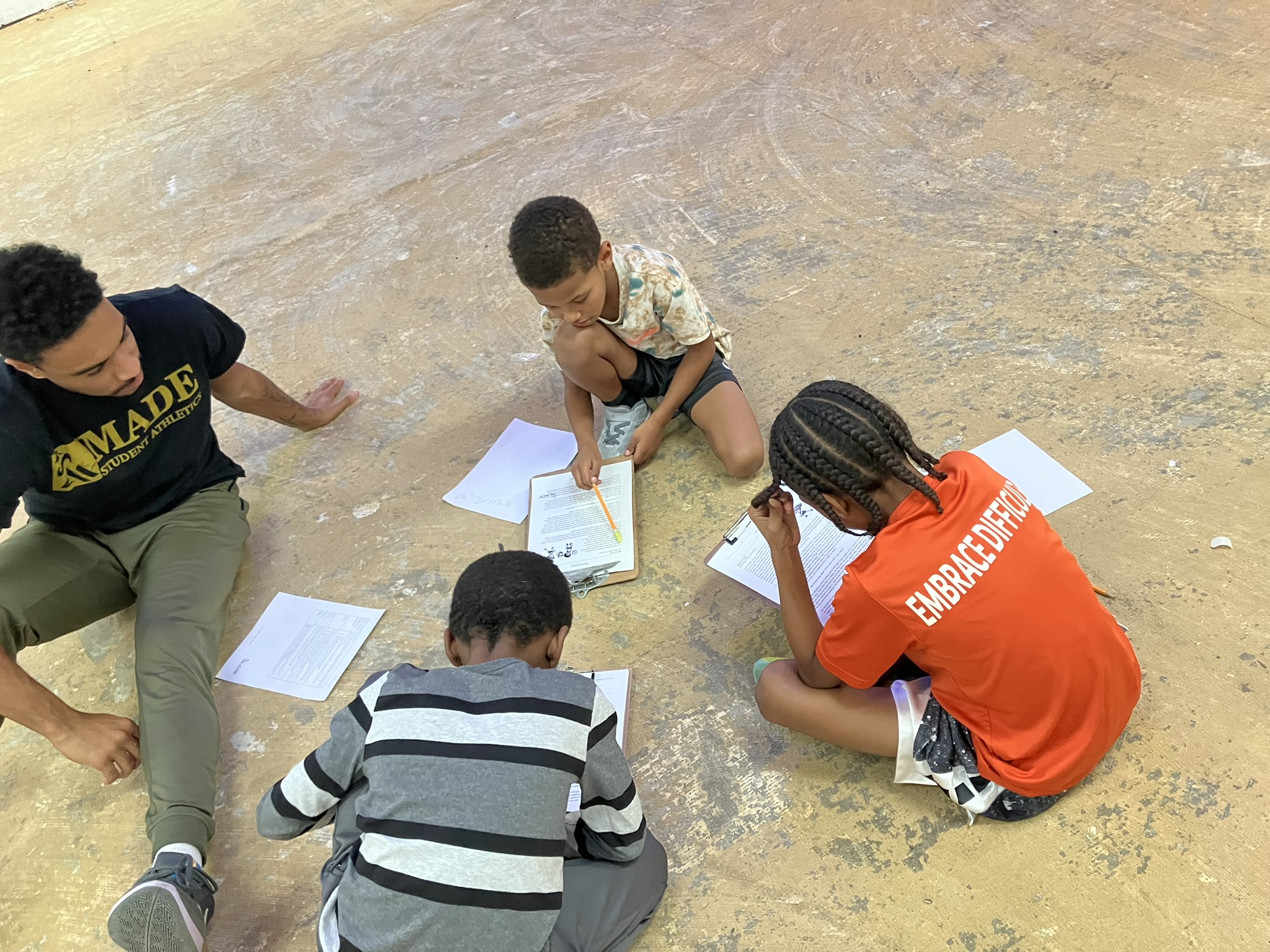
At MADE Student Athletics, we intentionally incorporate reading-based activities into our youth development sessions—not as an add-on, but as a core pillar of student-athletic growth. Why? Because reading is one of the simplest and most effective ways to:
- Strengthen cognitive performance
- Build confidence beyond sports
- Encourage lifelong learning habits
- Support academic eligibility and future opportunities
From guided reading moments to discussion-based activities that connect learning with movement, we help young athletes understand that their minds matter just as much as their bodies. We don’t wait until problems show up. We build the foundation early, and train the skill consistently to give our student-athletes the greatest chance for success.
High performance isn’t just physical. It’s mental. It’s academic. It’s emotional. If you or someone you know is interested in becoming a high performing student-athlete click the button below to get started training with us today!
Research & References
- National Reading Panel. (2000). Teaching Children to Read: An Evidence-Based Assessment.
- Hernandez, D. J. (2011). Double Jeopardy: How Third-Grade Reading Skills and Poverty Influence High School Graduation. Annie E. Casey Foundation.
- Diamond, A. (2013). Executive Functions. Annual Review of Psychology, 64, 135–168.
- NCAA Research. (2019). Academic Preparedness and Student-Athlete Outcomes.